Man With A Van in North Sheen

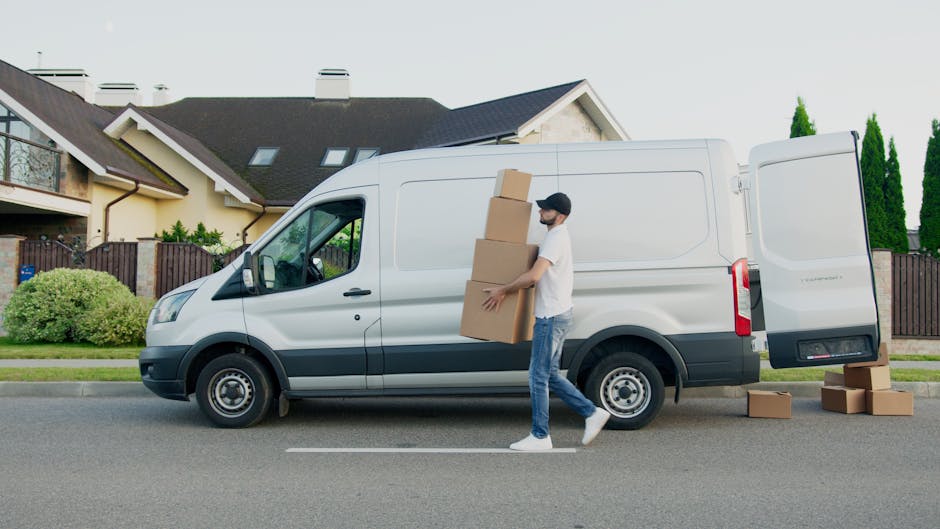
Man With A Van North Sheen offers a practical moving service for household items, single pieces of furniture and smaller relocation jobs that need careful handling rather than a full-scale removal crew. It is a sensible option when you want transport, lifting help and route planning in one straightforward visit. The emphasis is on moving items safely, keeping loads organised and giving customers a clear way to arrange the work they need without unnecessary complication.
Our service can suit a flat move, a room clearance, a furniture collection or a delivery that needs more support than a standard car journey can provide. We focus on the handling, loading and transport side of the job, helping to keep possessions secure from pickup to drop-off. If you are comparing options, you can also review our man and van service alongside the broader moving pages to see which type of arrangement feels right for the size of your job.
Because every move has its own access points, item mix and timing, the most useful enquiries are those that describe what needs moving and where it needs to go. That makes it easier to match the vehicle size, loading approach and journey length to the work involved. If you are ready to take the next step, request a quotation in plain terms and include the key details that help shape the move.
House moves and smaller domestic removals
For home moves, a man with a van arrangement can be an effective middle ground between doing everything yourself and booking a large removal team. It works well when the move is compact, when access is straightforward or when only selected rooms and furniture need to travel. The aim is to keep the process organised, with suitable lifting support and transport that fits the actual volume being moved.
Some customers only need help with the heaviest items, while others prefer a fuller service for a small property or a partial move. That is where the service can be shaped around the load rather than a fixed template. Useful comparisons include our home moves page and the more detailed house removals section, both of which can help you judge the right level of support for your household move.
Two brief points can make planning easier. First, note anything awkward such as tight stairwells, parking limits or large furniture that may need careful manoeuvring. Second, list the main items in a simple order so the load can be arranged efficiently. A short, accurate description is usually more helpful than a long explanation, especially when the move involves a few bulky pieces rather than a full house.
Furniture pick-ups, deliveries and single-item transport

Not every job is a full relocation. A van-based moving service is often chosen for furniture pick-ups, marketplace collections, appliance transport or the delivery of one especially awkward item. These jobs still benefit from proper lifting technique and a vehicle that can cope with size and weight. For many customers, the value lies in avoiding damage, reducing repeated trips and making sure the item is secured properly in transit.
When you are only moving one piece or a small group of items, the service needs to stay flexible. The best outcome is usually a careful plan that considers dimensions, fragility and the route from the property to the vehicle. You may also find it useful to compare the service with our furniture pick-up page or the broader removal services overview if you want to understand how different moving tasks are typically handled.
For this kind of work, clear information about access is especially useful. For example, if a wardrobe must be carried down stairs, or if a sofa needs moving through a narrow hallway, that affects the handling approach. Likewise, if the item requires blankets, straps or extra lifting care, it is better to say so early. A well-prepared enquiry helps the move run smoothly without adding unnecessary back-and-forth later.
Commercial moves, office equipment and practical transport
A man with a van can also support smaller business moves, including office equipment, archive boxes, desks, chairs and lightweight stock. Commercial jobs often need a tidy, timed and efficient approach so that the transfer does not disrupt day-to-day work for longer than necessary. The service can be adapted to suit one-off business transport or a limited relocation where the volume is too modest for a large removals operation.
Businesses often need a simple way to move several essential items without over-ordering vehicle space or labour. That can include internal transfers, deliveries between premises or the movement of desks and supplies to a new location. If you are comparing commercial options, our commercial moves and office removals pages give a clearer sense of the kinds of tasks commonly covered and how the work can be organised.
Careful packing and labelled boxes can make a noticeable difference when files, monitors or office accessories are involved. It is also sensible to separate what must travel from what can remain behind, especially if only part of the business is moving. That keeps the load orderly and reduces the chance of items being misplaced while the move is in progress. Simple preparation often has more effect than complicated scheduling notes.
Packing support and load preparation

Some customers want more than transport alone. Packing and unpacking support can be useful where items need to be wrapped, boxed, grouped by room or unpacked after arrival. This is particularly helpful for fragile belongings, mixed household loads or situations where the move must be completed with less handling stress. The point of the service is not to overcomplicate the task, but to make the journey safer and the handover more orderly.
Where packing is part of the job, it helps to think about items in practical categories rather than broad estimates. Glassware, books, cables, soft furnishings and larger furniture each need a slightly different approach. If you want to compare the moving and packing elements together, our packing and unpacking services page is a useful place to look alongside the main moving service pages. It can also help you decide what should be packed in advance and what can be left for the moving team.
Two details are especially useful when a move includes packing support. One is the amount of wrapping material or boxing likely to be needed; the other is whether fragile or valuable items need extra separation within the load. These small decisions influence the time required and the best order for completing the work. A clear, honest description usually leads to a better plan than trying to compress everything into a single vague message.
Choosing the right van for the job
The most suitable vehicle is not always the biggest one. For some moves, a compact van with careful loading space is the most practical option, especially where access is limited or the load is made up of a few substantial items. For others, a larger removals vehicle may be a better match because it reduces the number of journeys needed and allows furniture to be arranged more securely during transit.
Vehicle choice is shaped by the kind of load, the route and the amount of lifting involved. A single long item may need a different setup from a mixed household load with boxes and soft furnishings. If you are still deciding what level of service to book, pages such as moving van and removal van can help you compare the language used for different transport options without having to guess which one fits best.
Access matters as much as capacity. Narrow roads, awkward parking or multiple flights of stairs can affect how the job is carried out, even when the item count is modest. A sensible plan takes those issues into account before loading begins. That is one reason why the best quotation requests are specific about both the property and the items, rather than only giving a rough list of belongings.
About North Sheen
North Sheen is a district in south-west London associated with the London Borough of Richmond upon Thames, lying close to Kew, Richmond and the Thames-side landscape that shapes much of this part of the capital. The area sits within a network of rail, road and riverside connections that have long linked it to neighbouring districts and to central London. The name itself reflects a local history that became more widely used in the late nineteenth and early twentieth centuries, when suburban growth spread across former fields and smaller settlements. Today North Sheen is often discussed alongside Kew and Richmond, yet it retains a distinct identity of its own, especially around its residential streets and transport links. The area is well connected by rail through North Sheen station, and nearby routes make travel practical in several directions. To the north-west lies Kew Gardens, one of London’s best-known green spaces, while to the south and east the wider borough offers the open character of Richmond Park, the riverfront at Richmond and a mixture of suburban streets, shops and civic buildings. North Sheen Cemetery is another recognised local landmark, giving the district a place of quiet open space and historical interest within an otherwise built-up neighbourhood. The surrounding streets include housing from different periods of suburban development, with the local built environment shaped by twentieth-century growth and later infill. As part of Richmond upon Thames, North Sheen sits within a borough known for heritage, riverside scenery and strong links between urban life and green corridors, making it a place where transport, movement and everyday local identity are closely intertwined.
Service options for different kinds of removals
Many customers arrive with a clear idea of the items they need moved but are unsure which service label best matches the job. That is why it helps to group the main tasks into categories such as home moves, office work, single-item collections and general removals. Once the task is identified, the rest becomes easier to plan: vehicle size, loading assistance, timing and whether additional handling support is useful. The service can then be matched to the move rather than forcing the move into a rigid package.
Our broader removals pages are useful when you want to compare the scope of work rather than focus only on transport. For that reason, it may help to read removals, removals near me and removal company if you are weighing up the kind of support you need and the way the job should be arranged. These pages can sit alongside your own notes about item size, timing and access so that the enquiry is properly grounded.
It is also worth separating what is moving from what can stay put. That simple distinction often makes quotations more accurate and helps the load be organised in a sensible order. If a job involves a mix of keepsakes, heavy furniture, boxes and awkward items, it may be better to describe the variety clearly rather than presenting the move as one block of possessions. The clearer the description, the more useful the response tends to be.
Costs, quotations and what affects the price

Prices for man with a van work are usually shaped by the practical details of the job rather than by a single flat formula. Common factors include the amount of furniture or boxes, the distance travelled, the time needed for loading and unloading, and whether the job requires extra care because of stairs, narrow access or especially bulky items. That means similar-looking moves can still differ in effort, so accurate information matters.
There is no need to overstate the job in order to request a quote. A concise list of items, the collection and delivery points, and any access issues is generally enough to start. If you would like to compare pricing-related information with other service pages, our pricing and quotes page gives a straightforward place to review how quotation enquiries are handled. You can also use it to think through whether the job is best described as transport only or as a fuller moving task.
The most helpful quotation requests are factual. Mention whether the move includes packing support, whether large furniture needs dismantling, and whether there are timing limits such as a building slot or key handover. That is not about creating complexity; it is about avoiding surprise on the day. If everything is described clearly at the start, the service can be planned in a way that fits the move rather than forcing the move to fit a template.
Safety, care and moving methods
Safe handling is central to this type of work. A careful move depends on sensible lifting, stable loading, suitable securing and a practical route for carrying items from property to van. Those basics matter whether the job involves household furniture, office equipment or a single heavy item. Good moving practice is often invisible when it is done well, but it is what keeps the load organised and the journey controlled.
Our support pages on insurance and safety and health and safety policy can help set expectations around the approach to careful work and responsible handling. They are useful reading if you want to understand how a moving service should think about risk, loading and general working practices without making assumptions about a particular job. This is especially relevant when items are fragile, oddly shaped or difficult to carry.
Simple preparation can support safe loading too. Remove loose parts from furniture where practical, keep walkways clear and make sure the most fragile pieces are identified before the move begins. None of that replaces proper handling, but it does make the job more manageable. A move that is planned with care tends to be more efficient, more secure and easier to complete without unnecessary delay.
Helpful information to include with your enquiry

When you ask for a quotation, there are a few pieces of information that make the response more useful without requiring a long message. First, note the pickup and delivery locations, including whether the journey is local or farther afield. Second, describe the items in simple terms: for example, sofa, bed frame, boxes, filing cabinet or appliance. Third, mention anything that might affect access, such as stairs, limited parking or restricted entry times. This keeps the enquiry focused on the job itself.
It can also help to say whether you need the move completed as transport only or whether you want packing, loading and unloading support as part of the arrangement. If you are at the stage of comparing service routes or reading company information, the about us and contact us pages provide the clearest next step for making that enquiry. Use them when you are ready to move from planning to arranging the work.
For many customers, the best approach is simply to request a quotation once the key facts are gathered. That keeps the conversation practical and allows the move to be considered on its own terms. Whether the job is a furniture collection, a small house move or a business transfer, the aim is the same: to give you a moving service that is straightforward, careful and suited to the load in hand.