



Narrow Stairs in Victorian North Sheen Flats? Moving Tips
Posted on 06/05/2026
Narrow Stairs in Victorian North Sheen Flats? Moving Tips That Make the Move Feel Manageable
Moving into or out of a Victorian flat in North Sheen can feel straightforward on paper, then suddenly the staircase appears and everything changes. Tight turns, steep steps, low ceilings, awkward landings, scuffed walls, and furniture that looked perfectly normal in the living room now seems strangely enormous. If you are dealing with Narrow Stairs in Victorian North Sheen Flats? Moving Tips, the real challenge is not just carrying items. It is planning the route, protecting the property, and keeping everyone safe while still getting the job done without drama.
This guide breaks the process down in plain English. You will find practical moving advice for Victorian flats, sensible ways to handle bulky furniture, and a realistic view of when a DIY move stops being worth the stress. We will also touch on packing, decluttering, lifting technique, and local service options so you can decide what makes sense for your own move. Truth be told, a good plan saves far more effort than a heroic last-minute lift ever will.
Why Narrow Stairs in Victorian North Sheen Flats? Moving Tips Matters
Victorian flats are lovely. High ceilings, character features, proper sash windows, maybe a bit of creaking floorboard charm. But the staircase? That is often the part people underestimate. Many period properties in North Sheen were built long before today's bulky sofas, king-size beds, and stacked kitchen appliances became part of everyday life. So the staircase becomes the bottleneck, and sometimes the whole move depends on whether a wardrobe can make that second turn.
This matters because narrow stairs change almost every moving decision. Items need measuring, wrapping, and often dismantling. Two people may be enough for a box, but not for a heavy chest of drawers. A sofa that would glide into a modern block can snag on a banister. And if you rush, you risk chipped paint, crushed fingers, torn upholstery, or a real injury. Nobody wants that on moving day, especially when the kettle has already vanished into a box somewhere.
In a North Sheen setting, the challenge is often not just the staircase itself, but the whole approach: parking access outside the flat, shared hallways, neighbours coming and going, and the need to keep noise, dust, and disruption low. That is why planning for stair access is not a side note. It is the move.
If you are arranging a larger relocation, it may help to read our guide on stress-free house move planning as well as our page on flat removals in North Sheen, because the layout of the property often shapes the whole approach.
How Narrow Stairs in Victorian North Sheen Flats? Moving Tips Works
The basic idea is simple: reduce risk before anything gets lifted. A move through a narrow stairwell works best when you treat it like a route-planning exercise, not a brute-force carry. First, measure the large items and the tightest parts of the staircase. Then decide what can be dismantled, what should be wrapped, and what may need to go through in pieces rather than whole.
In practical terms, the process usually works like this:
- Assess the staircase. Check width, railings, landings, ceiling angles, and any corners where larger items may need to rotate.
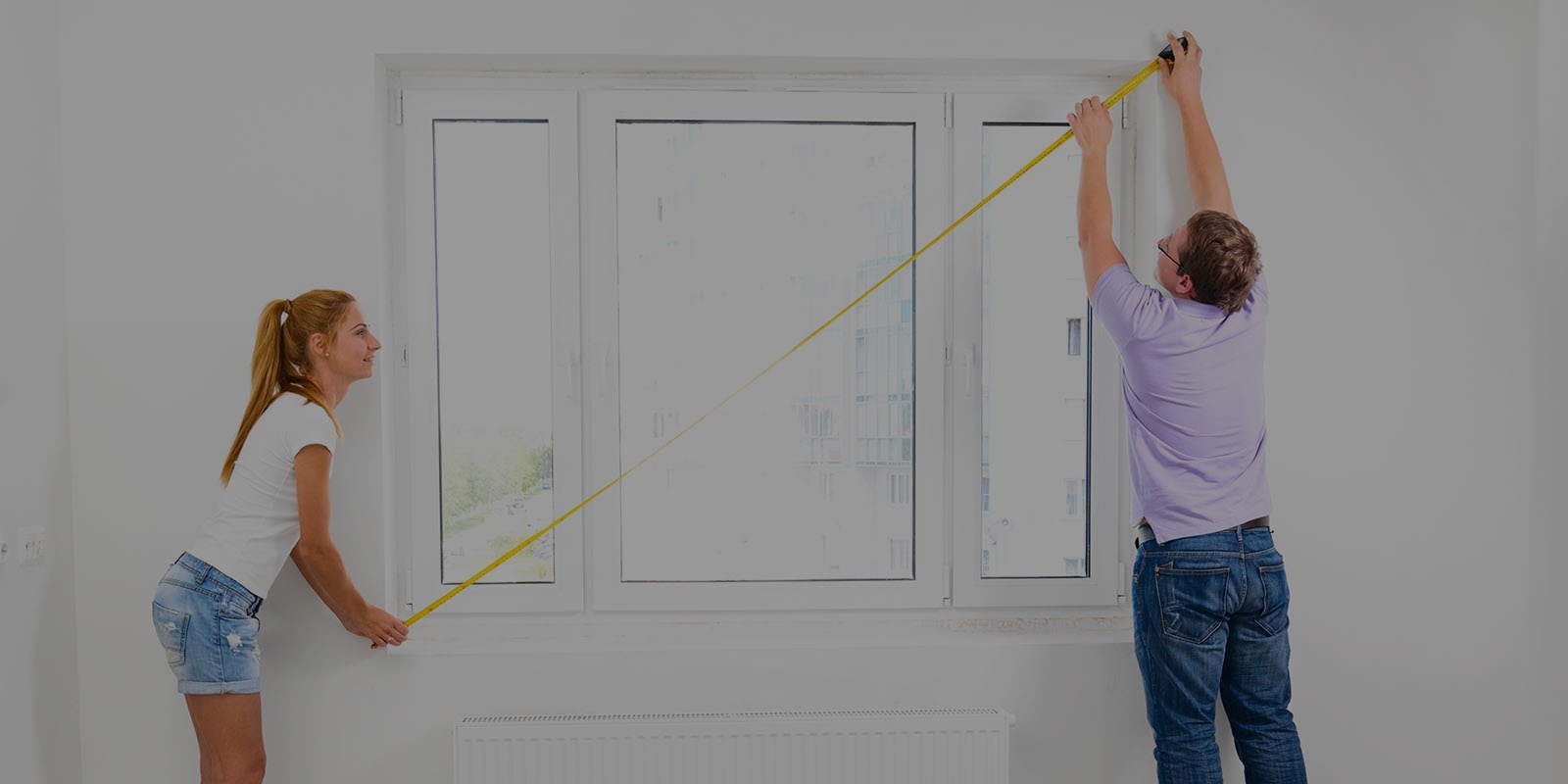
- Measure the furniture. Height, width, depth, and any handles, legs, or protruding parts all matter. A few centimetres can make the difference between a clean move and a stuck wardrobe.
- Prepare the item. Remove cushions, shelves, doors, legs, and loose fittings where possible.
- Protect the route. Use blankets, corner protection, and floor covering to avoid damage to paintwork and finishes.
- Assign roles. One person leads, one supports, and one keeps an eye on the landing or door frame. Clear communication matters more than strength, to be fair.
- Move slowly and in stages. Pause at landings, reset your grip, and avoid twisting suddenly on steps.
That is the broad method. The details, though, are where good moves succeed. For instance, a mattress may be light but still awkward to angle on a tight staircase. A piano is another level entirely, which is why our article on expert piano moving versus DIY is worth a look if you are dealing with heavy or delicate items.
Key Benefits and Practical Advantages
Getting the stair strategy right does more than prevent damage. It changes the whole tone of moving day. Instead of repeated stop-start effort, shouting up the stairwell, and that awful moment when someone says, "I think it might fit if we just push a bit harder," you get a calmer process with fewer surprises.
Here are the main benefits:
- Less damage to the property. Narrow hallways and painted banisters are very easy to mark. Proper preparation reduces the risk.
- Better safety. Safe lifting and careful pacing reduce strain on backs, shoulders, and wrists.
- Fewer delays. If furniture is measured and partially dismantled in advance, the move tends to stay on schedule.
- More confidence. You know what fits, what does not, and what needs specialist handling.
- Lower stress. Even if the staircase is awkward, the job feels manageable when the plan is clear.
There is also a practical financial benefit. A move that avoids damage, failed attempts, or emergency storage usually ends up being the cheaper move, even if the preparation takes a little longer upfront. Small win. Big difference.
If you are decluttering before the move, our guide to strategic decluttering before moving can help you cut down on items that would otherwise make the staircase problem worse. And if packing is still underway, the packing guide for relocating gives a solid framework.
Who This Is For and When It Makes Sense
This advice is useful for a wide range of movers, but it is especially relevant if you are dealing with any of the following:
- Victorian or period flats with steep, compact staircases
- Second-floor or higher flats without a lift
- Large furniture such as sofas, wardrobes, beds, bookcases, or appliances
- Moves involving shared entrances, tight communal hallways, or limited parking
- Students or renters needing a practical, lower-cost move
- Anyone with limited time who wants a smoother, less chaotic move
It also makes sense if you are moving with children around, or if you simply do not want to spend a Saturday wrestling a dining table through a stairwell that feels as though it was designed by someone with no furniture at all. Lets face it, that happens.
For smaller loads, a man with a van in North Sheen may be enough. For bigger, more complex flat moves, you may want a broader service such as removal services in North Sheen or a dedicated North Sheen removals team.
Step-by-Step Guidance
Here is a practical approach you can actually use, not just skim and forget. If you follow this sequence, you will handle most narrow-stair moves far better than by improvising on the day.
1. Survey the route before moving day
Walk the entire path from the flat to the vehicle. Note the front door, hallway, stair turns, landings, and any awkward corners. Check for loose rugs, low lighting, or obstacles like bikes, prams, or bins. A five-minute survey can save a lot of back-and-forth later.
2. Measure the biggest items first
Do not start with boxes. Start with the awkward things: sofa frames, mattresses, wardrobes, desks, mirrors, and appliances. If an item looks borderline, measure it. Guessing is what gets people stuck halfway up the stairs, breathing through their teeth.
3. Dismantle what can be safely taken apart
Remove bed legs, table tops, shelving, and cabinet doors where possible. Keep screws and small fittings in labelled bags. A couple of minutes organising this now saves a lot of head-scratching when you are trying to rebuild the furniture later in the evening.
4. Wrap and protect properly
Use furniture blankets, stretch wrap, and strong tape where suitable. Protect corners and edges, because they catch more often than people expect. If you are moving a sofa, our article on preserving sofa quality during moves is a useful companion read.
5. Clear and pad the staircase
If you are allowed to do so, clear the route and add temporary protection to vulnerable surfaces. Old Victorian steps can mark easily, especially if the wood has already seen a few decades of wear. A blanket on a landing, a runner on the floor, or corner protectors can make a real difference.
6. Assign one person to lead and talk
The person in front should guide the angle and call the pace. Simple phrases help: "pause," "slow," "up a bit," "turn now." It sounds almost too basic, but clear calls prevent accidental twists. And twisting is what turns a tight fit into a damaged wall.
7. Lift with a calm rhythm
Take the weight evenly. Keep the load close to the body. Move one step at a time. If the item starts to shift, stop and reset rather than forcing it through. A short pause is always cheaper than a strained shoulder.
8. Know when to stop and reassess
If the angle is wrong or the piece is clearly not safe to carry, stop. Re-measure. Remove another section. Change the route. In some cases, the better option is to move the item outside and approach from a different angle. Simple, but not always obvious in the moment.
Expert Tips for Better Results
A few field-tested habits can make narrow-stair moves much smoother. These are the little details people often miss, and honestly, they matter more than the flashy stuff.
- Use softer packing for awkward items. Blankets and padded covers are often better than over-taping, which can leave sticky residue or damage finishes.
- Remove weight from the item before moving it. Empty drawers, take books out of cabinets, and remove mattress toppers. An item can look light and still fight you.
- Wear shoes with grip. Smooth soles on steep steps are not your friend.
- Move during calmer parts of the day if possible. Early morning or late morning often works better than trying to push through tiredness at the end of the day.
- Protect the walls at pinch points. Stair corners, bannisters, and door frames take the first hit.
- Keep a tool bag handy. Screwdrivers, Allen keys, tape, and a small torch can save a surprising amount of time.
One more thing: if the move includes a bed or mattress, use a proper plan rather than a quick grab-and-go. Our guide to bed and mattress transportation is helpful for getting those larger soft items through tighter spaces.
And if heavy lifting is part of the day, it is worth reading safe lifting strategies for heavy objects. It is not glamorous, but your back will thank you. Probably before you do.
Common Mistakes to Avoid
Most moving problems on narrow stairs come from a small number of avoidable mistakes. The good news is that once you know them, they are easy enough to steer around.
- Skipping measurements. "It should fit" is not a plan.
- Trying to move everything in one piece. Victorian stairwells often reward dismantling, not stubbornness.
- Carrying too much at once. Heavy loads reduce visibility and make balance worse.
- Ignoring the landing space. The landing can be just as difficult as the stairs themselves.
- Forgetting to protect surfaces. One scrape on a painted wall can create avoidable repair work.
- Rushing because other people are waiting. A fast mistake is slower than a careful pause.
- Not checking parking or access first. If the van cannot park close enough, the carrying distance becomes much harder.
A common one, especially in flats, is underestimating how awkward shared entrances can become. Someone leaves the front door propped open, a neighbour wants to pass, and suddenly everyone is waiting in a narrow hall. That is exactly the point where calm coordination matters.
For a fuller picture of pre-move preparation, take a look at our stress-free house move checklist. It covers the wider planning that supports the physical move itself.
Tools, Resources and Recommendations
You do not need a warehouse full of kit, but a few well-chosen items make narrow-stair moving easier and safer.
| Tool or Resource | Why It Helps | Best Used For |
|---|---|---|
| Furniture blankets | Protects wood, paint, and upholstery from scrapes | Sofas, tables, wardrobes, and appliances |
| Stretch wrap | Keeps doors, drawers, and loose parts secure | Cabinets, dressers, and shelves |
| Strong tape and labels | Helps with organisation and reassembly | Box packing and dismantled furniture parts |
| Grip gloves | Improves hold on slippery or awkward surfaces | Boxes, framed items, and bulky furniture |
| Measuring tape | Removes guesswork before lifting begins | Stair width, doors, large furniture, and hallways |
| Floor protection | Reduces scuffs and impact marks | Landings, hallway corners, and thresholds |
If you are packing from scratch, it may also help to use a specialist box and materials service like packing and boxes in North Sheen. And if you need temporary room for items that should not go up those stairs yet, consider storage in North Sheen. That can take the pressure off when access is tight.
For larger homes or mixed inventories, a full-service approach through services overview can help you compare what support you actually need. A lot of people think they need a big service package when they only need a bit of guidance; the reverse happens too.
Law, Compliance, Standards, or Best Practice
For most home moves, there is no complicated legal framework specific to narrow stairs. Still, there are some sensible UK best-practice points worth respecting. If you are moving in a shared building, you should avoid blocking communal access for longer than necessary and should be considerate about noise, dust, and general disruption. If the property has building rules or landlord instructions, follow them carefully.
From a safety perspective, the main expectation is straightforward: do not ask people to lift what they cannot safely control. A move should be planned so that risks are reduced, not increased. Good practice usually includes:
- adequate staffing for heavy or awkward items
- clear walkways and unobstructed stair access
- appropriate protective equipment and handling methods
- good communication between everyone involved
- careful attention to fragile or valuable pieces
Professional movers also tend to work with insurance and safety procedures in place, which matters when you are handling items through tight stairwells. If you want to understand that side in more detail, our page on insurance and safety is a sensible next step. Likewise, if you want to know how the company approaches work more broadly, the about us page gives useful background.
For special items like pianos, the safest approach is usually professional handling. The wrong angle on a narrow Victorian staircase can become expensive very quickly. Not dramatic, just true.
Options, Methods, or Comparison Table
There is no one-size-fits-all moving method for narrow Victorian stairs. Your best option depends on the item, the staircase, and the help available. Here is a simple comparison.
| Method | Best For | Pros | Limitations |
|---|---|---|---|
| DIY with friends | Small loads, boxes, light furniture | Budget-friendly, flexible timing | Higher physical effort, more risk on narrow stairs |
| Man and van | Medium moves, partial flat moves | Good balance of cost and support | May still need extra help for heavy items |
| Full removal service | Whole flat moves, bulky furniture, busy schedules | More coordination, less stress, better handling | Usually costs more than DIY |
| Split move with storage | Awkward access, staged moving, temporary space limits | Reduces pressure on staircase and timing | Requires extra planning and possibly extra visits |
If the staircase is particularly difficult, splitting the move can be very practical. A sofa, bed, or bulky cabinet may be moved separately, while smaller boxes are handled on another day. That kind of staged approach can feel slower, but it often goes more smoothly.
And yes, sometimes the smartest solution is simply not trying to do it all in one go. A slightly boring move is usually a successful one.
Case Study or Real-World Example
Imagine a two-bedroom Victorian flat in North Sheen with a narrow internal staircase, a long landing, and one particularly awkward turn halfway up. The move includes a three-seat sofa, a bed frame, a mattress, a wardrobe, and the usual collection of boxes that somehow multiply overnight.
In a situation like this, the first sensible step is to measure the sofa and the staircase before moving day. The sofa legs come off, the cushions are removed, and the sofa is wrapped before it leaves the room. The bed frame is dismantled into rails and slats. The wardrobe doors are taken off, then the main body is lifted with one person at the front and one at the back. Boxes are stacked by weight so the heaviest ones move first, while light boxes fill the gaps.
What makes the difference is not strength. It is sequence. The route is protected, the lifting is paused at each landing, and the team avoids trying to "save time" by forcing a tight angle. The move still takes effort, but it does not turn into a scramble. That is usually the point where people say, with some relief, "Oh, that was actually fine."
For especially valuable items, including instruments, it is better to bring in specialists rather than gamble. Our guide to safer piano moving choices explains why expertise matters so much on difficult stairs.
Practical Checklist
Use this checklist before moving day, or print it and keep it near the front door. It is simple, but it works.
- Measure the staircase, landings, doors, and largest furniture
- Identify items that need dismantling
- Pack screws, bolts, and fittings into labelled bags
- Empty drawers and remove loose contents from cabinets
- Protect walls, bannisters, corners, and flooring
- Reserve parking or check loading access for the van
- Clear the hallway and stair route of clutter
- Wear footwear with good grip
- Assign a lead person to give clear instructions
- Set aside drinks, tape, tools, and cloths for the day
- Plan where each item will go in the new flat
- Arrange storage if certain items should not go through the stairs yet
Expert summary: the safest way to handle narrow stairs in Victorian flats is to measure first, dismantle where sensible, protect the route, and move slowly with clear communication. If anything feels borderline, stop and rethink. That small pause usually saves time in the long run.
Get a free quote today and see how much you can save.
Conclusion
Narrow stairs in Victorian North Sheen flats can look intimidating, but they are manageable when you approach the move properly. Measure the route, prepare the furniture, protect the property, and do not be afraid to split the job into stages if that is what keeps it safe. The best move is rarely the fastest one. It is the one that arrives intact, leaves the staircase unmarked, and lets you breathe properly at the end of the day.
If you are planning a move soon, take one calm step at a time. A little planning goes a long way, and with the right approach, even a stubborn staircase can feel less like an obstacle and more like a detail. That is the difference between a stressful move and a move you can actually feel good about.