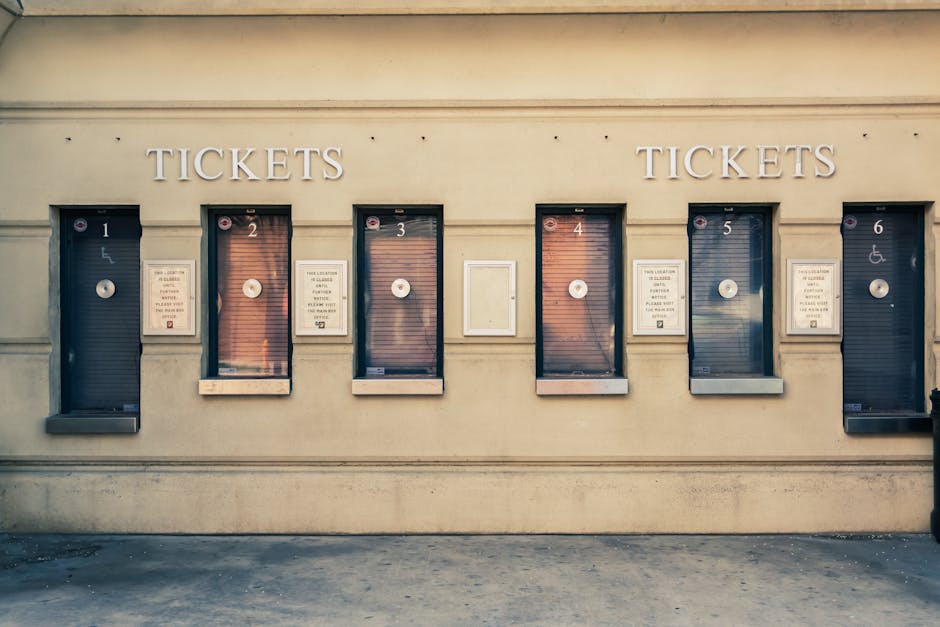
Avoid Parking Tickets During Your North Sheen Move
Moving day is busy enough without a yellow envelope tucked under the wiper when you return to the van. If you're trying to avoid parking tickets during your North Sheen move, the good news is that a little planning goes a very long way. North Sheen has its own local traffic quirks, residential streets can be tight, and even a short stop in the wrong place can turn an organised move into an expensive headache.
This guide walks you through the practical steps that help keep your vehicle legal, your loading smooth, and your move far less stressful. We'll cover permits, loading bay basics, timing, communication with neighbours, and the kind of detail that people often miss when they're rushing with boxes and a kettle in the back seat.
To make the process easier, we'll also point you towards useful supporting resources on moving services in North Sheen, getting a clear quote, and a few packing and planning guides that can help reduce last-minute chaos. Truth be told, a calmer move almost always means fewer parking mistakes.
One small reality check: parking problems rarely happen because people are careless. They happen because moving day is noisy, rushed, and full of decisions. So let's make the parking part simpler.
Table of Contents
- Why Avoid Parking Tickets During Your North Sheen Move Matters
- How Avoid Parking Tickets During Your North Sheen Move Works
- Key Benefits and Practical Advantages
- Who This Is For and When It Makes Sense
- Step-by-Step Guidance
- Expert Tips for Better Results
- Common Mistakes to Avoid
- Tools, Resources and Recommendations
- Law, Compliance, Standards, or Best Practice
- Options, Methods, or Comparison Table
- Case Study or Real-World Example
- Practical Checklist
- Conclusion
- Frequently Asked Questions
Why Avoid Parking Tickets During Your North Sheen Move Matters
Parking tickets are more than a nuisance. They can slow your move, add avoidable cost, and create a domino effect of stress that follows you into the new place. On moving day, even a small delay matters. A van that has to be moved every few minutes, or one that cannot legally remain where it is needed, can disrupt loading and unloading in a way that feels far bigger than it sounds.
In North Sheen, the challenge is often the mix of narrower residential roads, shared access areas, and the simple fact that other people need to use the street too. If your vehicle blocks a dropped kerb, sits on double yellow lines without the right allowance, or overstays a controlled loading period, you may return to a ticket instead of a clean handover. Nobody wants that, especially when keys, furniture, and removal timings are already in play.
There's also a trust issue for people using a professional service. If you've booked a van or a full removals team, you want the day to feel organised, not improvised. Good parking planning supports that. It protects your schedule, reduces friction with neighbours, and helps movers work safely without darting around traffic or carrying heavy items too far.
And yes, it can also save your sanity. Moving already has enough little surprises: the missing charger, the tape you thought was in the kitchen drawer, the box labelled "misc." that seems to contain three bowls, a lamp shade, and a very old extension lead. Parking fines really do not need to join the list.
How Avoid Parking Tickets During Your North Sheen Move Works
The process is straightforward in principle: you plan where the vehicle can stop, check what restrictions apply, make sure any permissions or permits are in place, and keep the loading window tight. In practice, the key is doing that early enough that you are not solving the problem from the pavement while a van idles behind you.
Start by identifying the exact property access point. Then work out where the vehicle will be positioned for loading and unloading. For some moves, that means a short roadside stop. For others, it means using a nearby legal bay, shared driveway, or arranged space with the building or neighbours. The best option is usually the one that keeps the carrying distance short while staying within the rules.
If you are moving from a flat, or into one, the parking puzzle can become more complicated. Shared entrances, narrow turning areas, and stair access often mean the vehicle needs to be positioned with precision. Our guide to narrow stairs in Victorian North Sheen flats is useful here, because parking and access tend to affect each other. If the carry route is awkward, you really need the van closer, and that makes compliance even more important.
In many cases, the practical workflow looks like this:
- Check local parking restrictions around both addresses.
- Confirm whether a permit, visitor authorisation, or timed loading space is needed.
- Reserve or request access where possible before moving day.
- Plan the van's arrival to match your packing progress.
- Keep paperwork, contact details, and timing notes ready.
- Assign one person to watch the vehicle while others carry items inside.
That last step sounds simple, but it's a big one. One person staying on parking watch can be the difference between a smooth handoff and a rushed scramble when enforcement officers or impatient traffic appear.
Key Benefits and Practical Advantages
Parking properly is not just about avoiding a fine. It improves the whole moving experience. A legal, well-planned stop allows movers to work faster, safer, and with less interruption. That matters whether you are moving a small flat, a family house, or office furniture that needs careful handling. If you want a broader view of what an organised move can look like, these stress-free house move steps tie in nicely with the parking side of things.
Here are the practical advantages most people notice straight away:
- Lower risk of penalties: fewer surprises and less chance of a costly ticket.
- Faster loading: closer parking means shorter carries and less fatigue.
- Better safety: fewer awkward lifts over long distances or across busy roads.
- Less neighbour friction: clear positioning reduces complaints and blocking issues.
- More predictable timings: the whole day feels easier to manage.
There is a quieter benefit too: confidence. When you know the van is parked correctly, you can focus on the move itself instead of keeping one eye on the window, wondering if the ticket fairy has turned up. Small relief, but it counts.
For people moving bulky items, this can also reduce the amount of lifting needed. A shorter path between property and van helps protect backs and shoulders. If you're moving heavy furniture, it's worth reading safe lifting strategies for heavy objects alongside your parking plan, because the two go hand in hand.
Who This Is For and When It Makes Sense
This advice is useful for almost anyone moving in or out of North Sheen, but it matters most if any of the following apply:
- You are moving on a tight schedule and cannot afford delays.
- Your property is on a busy residential road or a street with limited stop space.
- You are moving from a flat, upper-floor maisonette, or a home with awkward access.
- You are using a van that needs a close loading point.
- You are managing the move yourself and do not have a dedicated parking assistant.
- You want to avoid fines, complaints, and the odd tense conversation on the pavement.
It also makes sense if you are booking professionals for the day. For example, a team handling man with a van support or house removals in North Sheen still needs a sensible stopping plan. Good movers can help, of course, but parking responsibility is often shared between the customer, the driver, and the property situation.
And if your move is urgent, the pressure rises quickly. On a same-day move, there is even less time to sort out parking on the fly. In those situations, same-day removals in North Sheen can be especially useful because experienced movers tend to know how to work around tight timings without turning the street into a guessing game.
Step-by-Step Guidance
Below is a practical approach that works well for most local moves. You may need to adapt it for a flat, office, or especially busy road, but the bones of the process stay the same.
1. Check the parking situation at both addresses
Before moving day, look at both the old and new property. Note where the van could legally stop, where it absolutely should not stop, and whether there is space for a short loading halt. If you can visit at the same time of day as your move, even better. The road can feel very different at 8am than at midday, and sometimes that changes everything.
2. Ask about permits or visitor arrangements early
If there is controlled parking, permit zones, or estate-managed bays, do not leave this until the evening before. Ask early what is required and how long approval might take. If the move involves a building manager, landlord, or neighbour access arrangement, get the details in writing where possible. A quick message now can save a lot of awkwardness later.
3. Choose the least disruptive loading point
Try to balance convenience with legality. The ideal spot is not always right outside the door. Sometimes a slightly longer walk from a legal bay is better than a risky stop directly outside. That sounds obvious, but people often forget it when the clock starts ticking and the sofa is half out the hallway.
4. Time the van to the packing rhythm
Do not book the van too early if you will not be ready. A van parked and waiting is not only inefficient; it can also create extra pressure to "just leave it there for a minute." That is how small mistakes happen. Build a realistic buffer, but not so much that the vehicle sits idle for ages in a restricted place.
5. Use one person as the parking lead
On the day, nominate one person to stay in charge of the vehicle, keys, and any quick repositioning. Even if the van is being unloaded fast, someone needs to keep an eye on the street. It sounds like a small administrative job, but it prevents a lot of unnecessary moving around.
6. Keep essential documents or confirmations to hand
If you have permission notes, permit details, or booking confirmations, keep them in your phone and, ideally, printed too. Having them ready is helpful if a neighbour queries the stop or if someone managing the building needs reassurance. No drama, just calm documentation.
7. Reassess once the vehicle is loaded or unloaded
When one location is complete, do a quick final check before leaving. Make sure nothing has been left where it blocks access, and that the vehicle can depart legally and safely. Moving day has a habit of making people skip this last bit. Don't.
Expert Tips for Better Results
Over time, a few habits stand out as especially useful. They are not flashy, but they work.
Leave more space than you think you need. Vehicles look smaller in your head than they do in the street. If access is tight, the mirror clearance and turning angle matter more than you expect.
Label boxes with room names clearly. This speeds unloading, which means the van can move sooner. If you want more structure on that side, the comprehensive guide to packing when relocating is worth a look.
Walk the route with your eyes, not just your feet. Spot garden walls, wheelie bins, low branches, and awkward corners before the van arrives. It's a bit old-school, but it helps.
Think about furniture size, not just box count. A move with a bed frame, sofa, or piano needs more careful parking than a move made up of small cartons. If your larger items need special handling, furniture removals in North Sheen or piano removals in North Sheen may be a better fit than improvising. To be fair, a piano and a hasty curb stop are not a great combination.
Keep the carry path as short as possible. Shorter carries mean less fatigue, fewer dropped items, and less time parked. It's one of those simple truths people appreciate most after the second or third trip.
Plan for weather. Rain makes loading slower, and slower loading means more exposure to parking risk. A damp Tuesday morning in North Sheen can change the whole pace of the day. You will notice it immediately.
Common Mistakes to Avoid
Most moving parking tickets come from a small set of avoidable mistakes. If you know them in advance, you are already ahead.
- Assuming "just a few minutes" is safe: it often isn't, especially in restricted areas.
- Not checking both addresses: one side may be fine while the other has limits.
- Blocking access points: dropped kerbs, driveways, or shared entries can trigger complaints quickly.
- Leaving vehicle planning until the last hour: this is where panic decisions happen.
- Ignoring timing windows: loading allowances are not the same as free parking.
- Underestimating large-item loading time: sofas, beds, and wardrobes always take longer than expected.
- Not briefing helpers: if everybody assumes someone else has checked parking, nobody has.
One common trap is parking legally but inconveniently, then trying to compensate by moving the van repeatedly. If a vehicle keeps shifting in and out of bays, or across the street, it can turn a tidy plan into a mess. Better to choose one workable setup and stick with it, provided it remains compliant.
Another easy mistake is forgetting the new property. People focus on the old house, get the loading sorted there, and then arrive at the new one only to find the road is busier than expected. Two addresses, two plans. Always.
Tools, Resources and Recommendations
You do not need a complicated toolkit to manage parking well, but a few basics help a lot.
- Phone notes: keep permit details, contact names, and timing in one place.
- Photos of the street: useful when sharing access details with movers or helpers.
- Box labels and room lists: speed unloading and reduce parked time.
- Measuring tape: handy for checking whether a van or furniture piece is likely to fit the carry route.
- Printed confirmation: still useful if phone signal is patchy or your battery is not behaving.
For a better overall move plan, it can help to look at adjacent tasks in sequence. For instance, strategic decluttering reduces the number of items you need to load, while packing and boxes in North Sheen supports faster staging. Less stuff, less time, less parking pressure. Simple, really.
If you're preparing for a flat move or a home move where access is tight, flat removals in North Sheen and man and van support can also make the logistics easier to manage. And if you need to store items temporarily rather than squeeze everything into one day, storage in North Sheen is worth considering. A staged move is often a calmer move.
Law, Compliance, Standards, or Best Practice
Parking rules can vary by street, estate, and local restriction type, so it is wise to treat signage, road markings, and permit conditions seriously. In the UK, loading and unloading may be allowed in some restricted areas, but that is not the same as unrestricted stopping, and the details can depend on the local situation. If there is any doubt, check the current signs and make sure your plan matches what is actually on the street, not what someone remembers from last year.
A safe rule of thumb is this: do not assume exceptions. If a loading allowance applies, understand the time limit and the conditions. If a permit or visitor arrangement is needed, arrange it in advance. If a street is narrow, busy, or likely to be monitored, be extra careful. Parking on a moving day is one of those places where being slightly over-prepared is better than being slightly clever.
Best practice also means respecting neighbours and other road users. Keep entrances clear, avoid leaving the van where it blocks sightlines, and move quickly once loading is complete. That is not just courteous; it helps reduce complaints and keeps the day moving.
For businesses and landlords organising office or tenancy changes, the same standards apply, just with more people affected if things go wrong. If you are handling a commercial or larger-scale relocation, office removals in North Sheen may need a more formal parking plan than a small domestic move. Best practice is really about reducing avoidable risk, and parking is one of the easiest risks to control.
Options, Methods, or Comparison Table
There is no single "right" parking method for every North Sheen move, but some approaches are more practical than others depending on the street and the size of the job.
| Method | When It Works Best | Pros | Watch Out For |
|---|---|---|---|
| Park directly outside | Quiet street, legal stopping, short loading job | Fastest carry route, easiest supervision | Can fail quickly if the street is restricted or busy |
| Use a nearby legal bay | Controlled roads or tighter streets | Lower ticket risk, often more predictable | Longer carry distance, may need more helpers |
| Arrange visitor or property permission | Flats, estates, managed buildings | Clearer access, fewer disputes | Needs advance coordination and confirmation |
| Staged loading from two zones | Larger moves with multiple trips | Can reduce pressure on one spot | More complicated to manage; easy to confuse helpers |
For most households, a simple legal stop or arranged bay is the sweet spot. Directly outside the door is convenient, yes, but convenience is only useful if it remains lawful for long enough to load the van. Sometimes the quiet, slightly less obvious option is the better one.
Case Study or Real-World Example
Here's a realistic example from a typical North Sheen move.
A family moving from a first-floor flat near a busy residential road wanted the van as close as possible to save time. At first, they planned to stop directly outside the building. But after checking the street layout, they realised that doing so would have blocked a narrow access point and risked a ticket. Instead, they arranged a legal space a short distance away, loaded the heavy items first, and used a simple room-by-room carry plan.
Was it a little less convenient? Absolutely. But the move stayed calm. No one had to run out mid-loading to shift the van, and the team could focus on the sofa, the mattress, and a very awkward bookshelf that did not seem to agree with the stairs. The result was a slower start and a much better finish.
The family also packed smaller items in a way that made unloading quicker, which reduced the amount of time the vehicle needed to stay in place. That little choice mattered. If you are the sort of person who likes a practical packing refresher, simple steps for bed and mattress transportation can help, especially when you are moving bigger items that shape the van plan.
The takeaway? A slightly longer walk is often a better trade than a parking fine. Nobody remembers the extra fifty metres once the move is done. They do remember not getting ticketed.
Practical Checklist
Use this checklist the day before and again on the morning of the move.
- Check parking restrictions at both addresses.
- Confirm whether a permit, bay, or permission is needed.
- Identify the safest legal loading point.
- Share the plan with anyone helping on the day.
- Keep the van booking, contact number, and timing to hand.
- Label the heaviest and most awkward items for first loading.
- Make sure no car, bin, or temporary obstacle is blocking access.
- Assign one person to monitor the vehicle if possible.
- Review the unloading point before the van arrives.
- Leave enough time for delays, but not so much that the vehicle sits idle unnecessarily.
- Take a final look at signage before you step away from the van.
Quick expert summary: the safest parking strategy is usually the one that is legal, short enough to keep the move efficient, and simple enough that everyone understands it. If you're juggling too many moving parts, step back for a minute and reduce the variables. That one pause can save the day.
Conclusion
To avoid parking tickets during your North Sheen move, think ahead, keep the vehicle plan realistic, and treat parking as part of the move itself rather than a side issue. That small mindset shift changes a lot. You move faster, carry less far, and avoid the kind of last-minute scrambling that turns a normal day into a stressful one.
North Sheen moves are rarely ruined by one big disaster. More often, they go sideways because several small things are left too late. Parking is one of those small things. Get it right, and the rest of the day tends to settle down. It really does.
If you want help planning the practical side of your move, explore our removals in North Sheen options, learn more about us, or reach out through the contact page when you are ready to talk it through. A good move feels much lighter when the street plan is sorted.
Get a free quote today and see how much you can save.
Frequently Asked Questions
Do I need a parking permit for a North Sheen move?
It depends on the street, the type of restriction, and how long the vehicle needs to stay. Some locations may allow short loading, while others require a permit or arranged access. Check both addresses early rather than assuming you can stop briefly and be fine.
Can a moving van stop on double yellow lines while loading?
Sometimes loading and unloading may be permitted in restricted areas, but the details depend on the exact signs, markings, and local conditions. Do not rely on guesswork. Read the street signage carefully and keep the stop as short as possible.
What is the safest way to park for a flat move in North Sheen?
The safest approach is usually a legal bay, an arranged loading space, or another permissioned stop close to the entrance. For flats, access routes matter just as much as the parking space itself, so plan both together.
How early should I sort out parking before moving day?
As early as you can. For simple moves, a few days may be enough to confirm the details. For more complex or managed properties, leave more time. If any permit or building permission is needed, don't wait until the night before.
What should I do if the street is too narrow for the van?
Look for a nearby legal stopping point and reduce the carry distance by planning the route carefully. In some cases, using a smaller vehicle or a service with better local access experience is more practical. The aim is to stay legal and keep the move moving.
Can neighbours complain if my van is outside their property?
Yes, they can raise concerns if access is blocked or the vehicle causes disruption. That is why it helps to keep the stop brief, avoid blocking driveways, and communicate where possible. A quick heads-up can go a long way.
Is it worth using a professional removals team for parking help?
Often, yes. Experienced movers are usually better at planning timing, loading order, and vehicle positioning. They still need the right local setup, but they can make the whole process less chaotic. If you are comparing options, removal companies in North Sheen can be part of that decision.
What if I only have a few boxes and not much furniture?
Even a small move can trigger parking issues if the street is busy or restricted. Fewer items may mean less time parked, which helps, but you should still check the stop point and keep the loading plan tidy.
How can I reduce the time the van spends parked?
Pack in advance, label boxes clearly, stage items near the exit, and load heavy pieces first. The more organised the handoff, the shorter the parking window. Small efficiencies add up quickly.
Does decluttering really help with parking tickets?
Yes, indirectly. Less clutter means fewer items to carry, less time at the kerb, and fewer trips back and forth. It's not magic, just common sense. If you want a practical starting point, strategic decluttering is a smart place to begin.
What is the biggest mistake people make with moving-day parking?
Assuming they can sort it out on the day. That is the one that catches people most often. The safe move is to check access, confirm restrictions, and decide on a fallback plan before the van arrives.
Can storage help if parking is awkward on moving day?
Yes. If you cannot complete everything in one go, temporary storage can make the move more manageable and reduce time pressure. Storage in North Sheen is a sensible option when timing and access are not lining up neatly.
Who should I contact if I need help planning my North Sheen move?
If you want a smoother plan and less guesswork, speak to a local removals team before moving day. The right advice early on can save time, money, and a lot of unnecessary rushing. And honestly, that's the bit most people are relieved about afterwards.